Engineering would be considerably easier if the water would always arrive at the same rate.
It’s not.
The amount of wastewater entering the residential system fluctuates throughout the day. Commercial and industrial facilities could encounter peak operating times. Stormwater conditions can change dramatically in response to weather conditions. The demand for water that is clean also differs depending on its application.
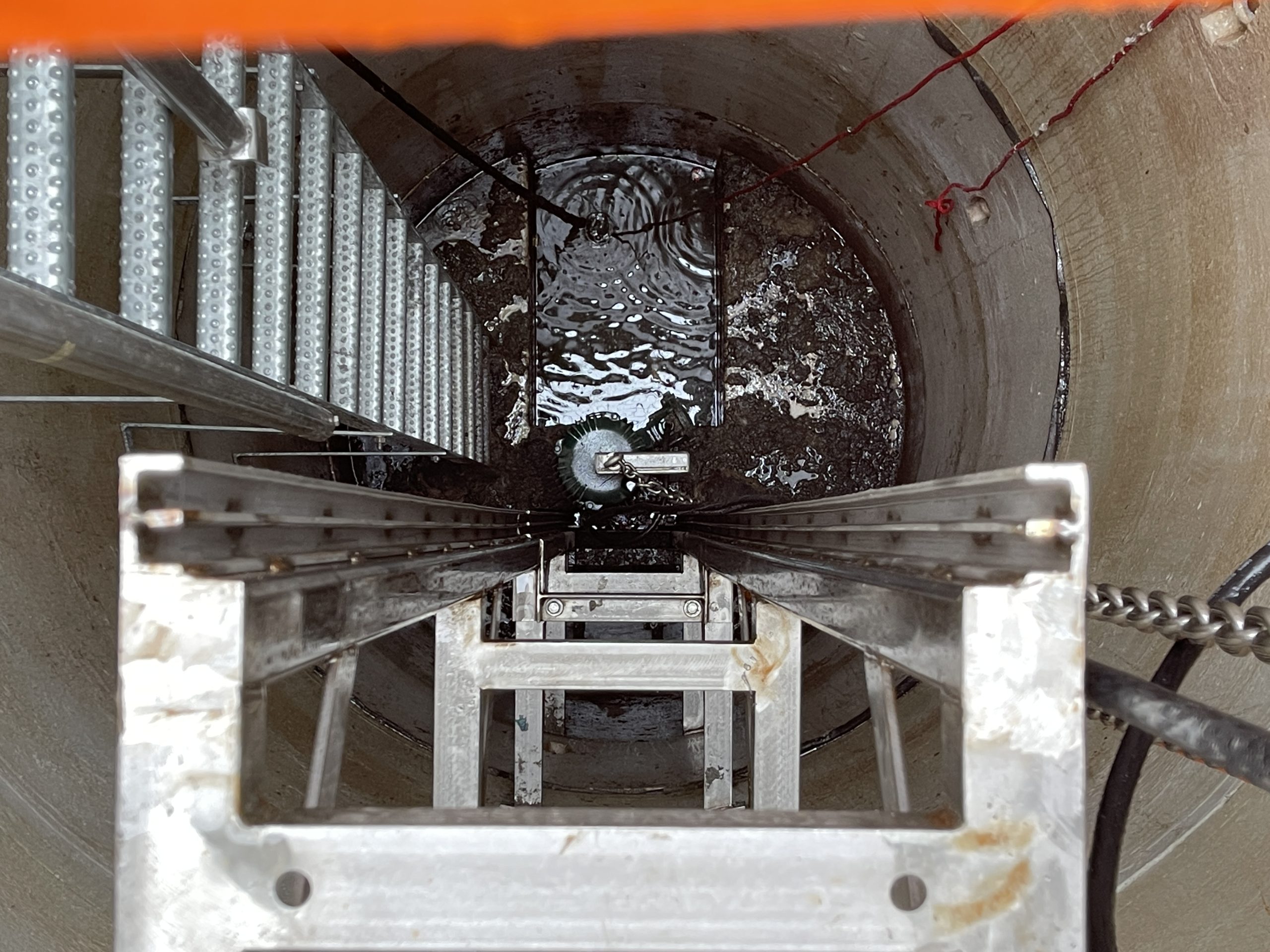
Image credit: romtecutilities.com
It’s not enough to choose equipment that will provide a certain flow when designing an equipment pumping station. Engineers must understand the range of conditions the system is expected to be exposed to.
Think beyond capacity maxima, as well as operating conditions
The highest flow is crucial, but this is only one aspect of the station’s operations. Imagine a wastewater system has been designed to accommodate a high maximum flow. The majority of the time, incoming flow may be significantly less. In these instances, the station must still perform as it should.
This raises questions regarding wet well dimensions pumps, their operation and controls, head conditions as well as how equipment will react to changes in demand.
When designing a pumping system for package use it is essential to consider the requirements for the specific site and not only the capacity of the pump.
The daily rhythm of wastewater
During the life cycle of an wastewater lift station the conditions of the influent can change.
The system must be able to collect water and operate its pumps according to the established control plan by the station. This involves dimensioning of the structure and pumping gear, valves and pipes, as well as electrical components.
The design can also incorporate particular considerations for the location. Romtec Utilities will incorporate any extra systems, including grinders, vaults, and odor-control systems whenever needed. It is cheaper to create an entire station around a particular project than to apply a generic configuration for every wastewater treatment facility.
Stormwater Flows Change Much More Rapidly
A stormwater lift station may see relatively little activity during dry conditions and then face substantially greater inflow during a weather event. It could be part of an overall flood-control strategy or a detention, treatment or drainage plan.
Romtec Utilities takes into consideration factors such as the flow rate that is required and head conditions, the system size as well as the needs of the location and environmental considerations when designing these systems.
Stations that serve commercial developments could appear different than those intended to serve municipal stormwater needs.
Both head conditions and flow are important
Moving 1,000 gallons of water is only part of the engineering issue. Engineers must also know where the water will be going and the resistance that must be overcome by the pumping system.
The head of the pump can be affected by a variety of variables which include elevation variations in piping configurations, discharge conditions and other system characteristics.
The relation between flow rate and head is one reason why deciding on a motor solely on its capacity is not enough. The pump technology and station configuration should be designed to meet the hydraulic requirements of the entire application.
Design for the conditions the station will actually experience
Romtec Utilities creates customized pumping system for stormwater, wastewater and clean water systems. They also design and develop systems for industrial, boosters and other purposes. The process may include initial design and budgeting, complete plan sets and system supplies, documentation as well as startup, testing and commissioning.
The idea behind the design is simple: pumping systems do not require a long time to work in a set of favourable conditions.
They are subject to changing flows, changing needs, and specific project-specific hydraulic requirements. It is crucial to design a station that can deal with this situation.