In today’s business environment the importance of data is an asset that can either make or break an enterprise. Power BI and Microsoft Fabric are powerful tools that businesses use to harness the potential of data. These platforms form the basis of business intelligence. And when they are combined with Azure Data Factory, they transform into a formidable force in data analytics and decision-making.
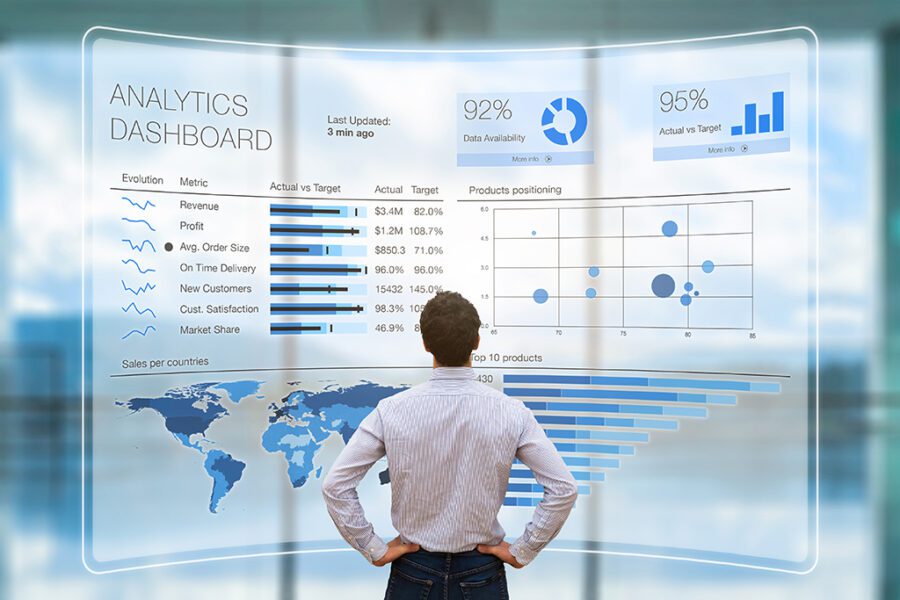
Power BI, Your Business Intelligence Companion
Power BI by Microsoft is a powerful business intelligence tool that lets businesses visualize and communicate their information. Users can create interactive dashboards and reports, turning the data into useful insight.
Whether you’re a small startup or a large enterprise, Power BI adapts to your needs. It seamlessly integrates with a variety of sources of data that make it simpler to merge data from several systems and databases. Even non-technical users are able to quickly create meaningful reports and analyses with its intuitive drag-and drop interface.
Power BI supports real-time processing of data, ensuring that you are always updated with the most recent information. It has a broad range of visualisations, which allows you to display data in a digestible and appealing way. Collaboration and sharing of data with colleagues enhances decision-making and promotes a data driven environment within your company.
Microsoft Fabric: The weaving of data Excellence
Microsoft Fabric is the underlying system that connects and orchestrates data across different Microsoft services. The fabric is what connects data to form a seamless entity that can be utilized by businesses.
Microsoft Fabric is the foundation of the integrity of data and its consistency as businesses face ever-increasing volumes of data. It integrates with a range of services, ranging from Azure Data Lake Storage and Azure SQL Data Warehouse to Power BI and more. This interconnectedness ensures that data flows seamlessly and that insight can be drawn from multiple sources.
The versatility of Microsoft Fabric is evident in its capabilities to transform data. It is a great tool to collect data, clean and prepare it for analysis, and ensure that it complies with the policies of your data governance organization. Microsoft Fabric is the platform that will ensure your data is reliable precise, reliable, and well-prepared for analytics.
Azure Data Factory – The Gateway to Data Transformation
Azure Data Factory is another vital component of the modern business intelligence market. It is a cloud-based solution that allows you to manage and schedule data-driven processes. Azure Data Factory provides meaningful insights through orchestration of the movement of data and its transformation.
Azure Data Factory’s versatility in connecting to different sources of data is among its major strengths. Data can be integrated seamlessly, whether on-premises, cloud-based or both. It will provide you with complete visibility of your entire data ecosystem regardless of where your data is located. The platform can handle batch processing, real time streaming of data and big-data analytics. This makes it suitable for various applications.
Azure Data Factory provides a visual interface to simplify the design of data pipes. You don’t need to be an expert in programming to create, plan, or track data workflows. This software lets businesses regulate their data integration process and allow them to build data by themselves.
The Power Trio: Power BI, Microsoft Fabric, and Azure Data Factory
When Power BI, Microsoft Fabric, and Azure Data Factory come together, they create a dynamic trio that could revolutionize your data analytics initiatives. Here’s how they synergize:
1. Data Integration Azure Data Factory can connect to various data sources, and guarantee that your data is readily available. Microsoft Fabric orchestrates the data that comes from different services through this data integration capability. This ensures that the data you have well-structured cleaned and arranged to be analysed in Power BI.
2. Data Transformation: Microsoft Fabric plays a important part in the process of data transformation, allowing you to shape the data you have to suit your analytical needs. Fabric makes sure that your the data is ready to be used for insight, whether it’s cleansing or transforming data.
3. Power BI will take over after your data has been refined and is ready. It allows you to create visually appealing reports and dashboards, which make complex data simpler to comprehend. You can share the information with your team, encouraging decision-making based on data.
4. Scalability: Azure Data Factory scales effortlessly to handle growing volume of data, and the combined power of Power BI and Microsoft Fabric guarantees that your data is reliable and consistent when your business grows.
5. Power BI & Azure Data Factory can provide real-time insight that is vital to a rapid decision-making process.
We also have a conclusion.
The world of business intelligence is rapidly changing and companies must leverage the power of data to stay ahead. Power BI combined with Microsoft Fabric and Azure Data Factory can take your business analytics to the next level. The trio of tools can assist you to achieve stunning visualizations to improve data consistency, and streamline workflows. Make your data more effective by utilizing business intelligence.